Manabita Chile sauce: Network presence of the Condiment of a Province
DOI:
https://doi.org/10.70221/021220Keywords:
Chile pepper, Manabita cuisine, Ecuadorian gastronomy, condimentsAbstract
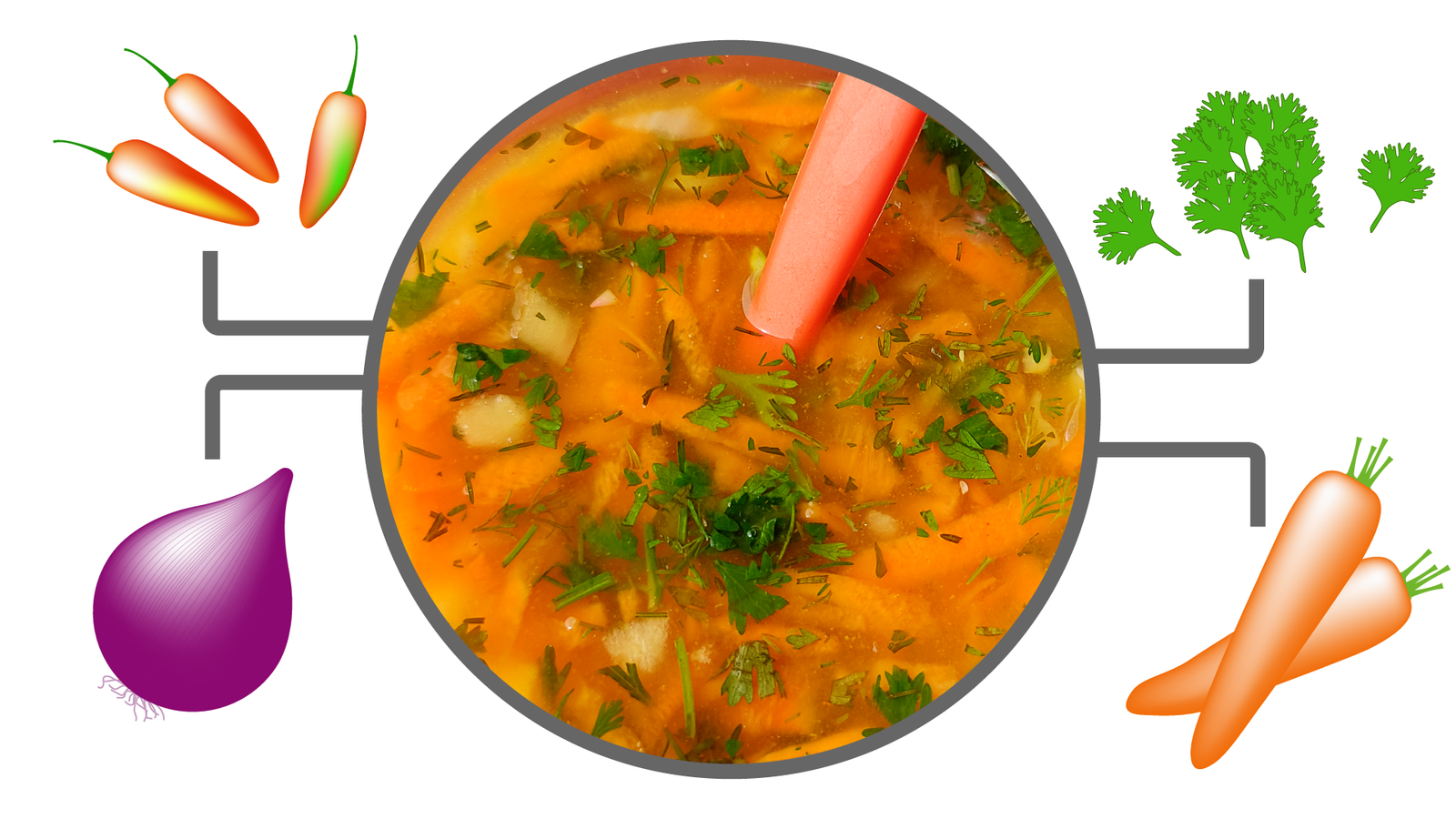
Even though Ecuadorian gastronomy is not famous for its ajíes (Chile pepper condiments) it should be. Manabita gastronomy has been recognized nationally and internationally as heritage and creativity; something that cannot be absent in it is the ají condiment to go with meals. The present study reviews recipes for Manabita ají published online and in print and studies its ingredients and procedures. 18 recipes were studied from the web, academic literature, and recipe books. The most frequent ingredients are Chili pepper and red onion (100%), salt (94%), carrot (89%), and cilantro, vinegar, and oil (83%). Banan vinegar is preferred. Business and media chefs’ recipes introduce non-traditional ingredients, apparently without reason. There is no standard recipe or authoritative web presence for this condiment.
Downloads
References
Albala, K. (Ed.). (2011). Food cultures of the world encyclopedia: Vol. 2: The Americas. Greenwood. DOI: https://doi.org/10.5040/9781474208666
Armendaris, M. (2011). Mishki mikuna: El sabor del Ecuador (2a ed.). Nuestra Cocina.
Armendaris, M. (2016). La Cocina del Ecuador: Recetas tradicionales de mi país. Asociación de Chefs del Ecuador.
Asociación de Chefs del Ecuador. (2018). Guía de Técnicas Culinarias. CANVAS. https://bit.ly/gtc_2018
Astudillo Rios, J. (2003). Ají: El picante de los Dioses. Revista Artesanías de América, 54, 95–120.
Bramer, W. M., De Jonge, G. B., Rethlefsen, M. L., Mast, F., & Kleijnen, J. (2018). A systematic approach to searching: An efficient and complete method to develop literature searches. Journal of the Medical Library Association, 106(4). https://doi.org/10.5195/jmla.2018.283 DOI: https://doi.org/10.5195/jmla.2018.283
El Comercio, C. (2016). Receta de Ají Manaba. El Comercio. https://www.elcomercio.com/sabores/receta-ajimanaba-comida-ecuador-manabi.html
González-Amagua, J., Garzón-Mosquera, F., & Cedeño-Castro, T. (2022). Ají ecuatoriano: Importancia y Maridajes. Revista de Gastronomía y Cocina, 1(1), Art. 1. https://academiaculinaria.org/index.php/gastronomia-cocina/article/view/15 DOI: https://doi.org/10.70221/011119
INPC. (2018). La Cocina Tradicional Manabita, recibe la certificación de Patrimonio Cultural Inmaterial del Ecuador. Instituto Nacional de Patrimonio Cultural. https://www.patrimoniocultural.gob.ec/la-cocina-tradicional-manabita-recibe-la-certificacion-de-patrimonio-cultural-inmaterial-del-ecuador/
Paez, A. (2017). Gray literature: An important resource in systematic reviews. Journal of Evidence-Based Medicine, 10(3), 233–240. https://doi.org/10.1111/jebm.12266 DOI: https://doi.org/10.1111/jebm.12266
Pagán-Jiménez, J. R., Guachamín-Tello, A. M., Romero-Bastidas, M. E., & Constantine-Castro, A. R. (2016). Late ninth millennium B.P. use of Zea mays L. at Cubilán area, highland Ecuador, revealed by ancient starches. Quaternary International, 404, 137–155. https://doi.org/10.1016/j.quaint.2015.08.025 DOI: https://doi.org/10.1016/j.quaint.2015.08.025
Perry, L. (2007). Starch Fossils and the Domestication and Dispersal of Chili Peppers (Capsicum spp. L.) in the Americas. Science, 315(5814), 986–988. DOI: https://doi.org/10.1126/science.1136914
Productos Olé. (s. f.). Ajíes. Recuperado 21 de diciembre de 2022, de http://productosole.com/ajies/
Regalado-Espinoza, L. (2019). Manabí y su comida milenaria (2a ed.). Ediciones ULEAM.
Supermaxi. (2015). Ají Manaba. https://www.facebook.com/SupermaxiEcuador/videos/864875383571197/
UNESCO. (2019). Portoviejo | Creative Cities Network. https://en.unesco.org/creative-cities/portoviejo
Utrera-Velásquez, A.-I., González-Amagua, J.-E., Salas-Álvarez, W. T., & Quillupangui-Moreta, O. E. (2018). De la Granja a la Olla: Alimentación nutritiva con productos agroecológicos (SWISSAID). Edicumbre.
Villacís, C. (Director). (2021, marzo 22). Ají manaba (salsa de chile ecuatoriano). https://www.youtube.com/watch?v=TlTVdLwfBJw
Yun, M.-O., & Mun, H.-G. (2004). Analysis of recipes for Korean foods in web sites. Journal of the Korean Dietetic Association, 10(4), 390–400.
Downloads
Published
License
Copyright (c) 2022 Rodrigo Duarte-Casar

This work is licensed under a Creative Commons Attribution 4.0 International License.
You are free to:
Share — copy and redistribute the material in any medium or format
Adapt — remix, transform, and build upon the material for any purpose, even commercially. The licensor cannot revoke these freedoms as long as you follow the license terms.
Under the following terms:
Attribution — You must give appropriate credit, provide a link to the license, and indicate if changes have been made. You may do so in any reasonable manner, but not in any way that suggests the licensor endorses you or your use.
No additional restrictions — You may not apply legal terms or technological measures that legally restrict others from doing anything the license permits.